Nvidia CEO Jensen Huang Calls Elon Musk the ‘Ultimate GPU’
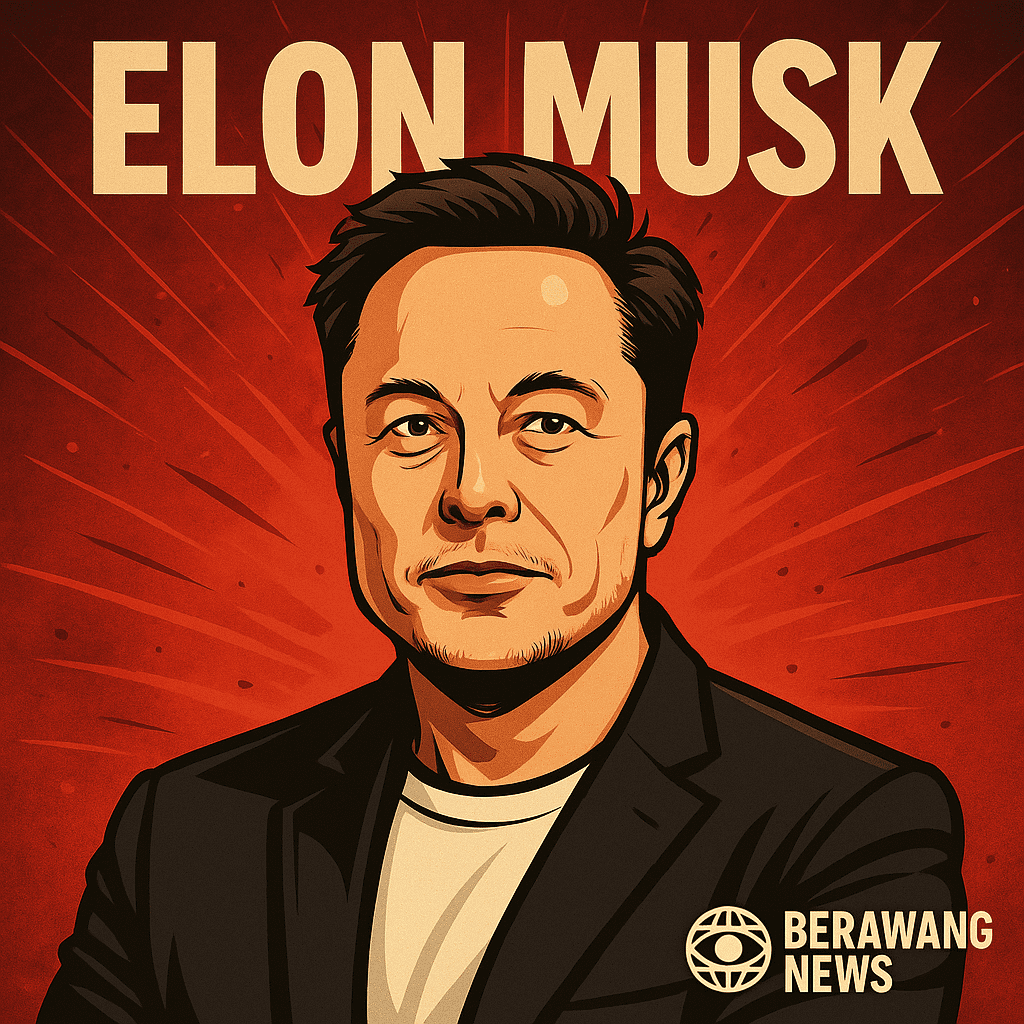
In a bold statement that bridges the realms of artificial intelligence (AI) and technology entrepreneurship, Nvidia CEO Jensen Huang referred to Tesla and SpaceX CEO Elon Musk as the “ultimate GPU.” This remark was made during a recent conference in San Francisco, where Huang underscored the transformative roles of both AI and innovative leadership in shaping the future of technology.
Who is Jensen Huang?
Jensen Huang, co-founder and CEO of Nvidia, has significantly influenced the tech industry, particularly in graphics processing units (GPUs). Under his leadership, Nvidia has evolved from a gaming-focused company to a key player in AI and deep learning technologies. The company’s GPUs are instrumental in data centers, AI research, and machine learning applications, placing Huang at the forefront of technological evolution.
Huang’s journey began in 1993 when he, along with Chris Malachowsky and Curtis Priem, founded Nvidia. Since then, he has become a visionary leader, guiding the company to innovate and dominate the GPU market. Nvidia’s recent advancements in AI, such as the A100 Tensor Core GPU, are testaments to Huang’s foresight and strategic direction.
The Significance of Huang’s Statement
Huang’s characterization of Musk as the “ultimate GPU” is both a compliment and an acknowledgment of Musk’s profound influence on technology and innovation. In the tech vernacular, a GPU is essential for efficiently processing complex calculations, paralleling Musk’s approach to ambitious projects in electric vehicles, space exploration, and renewable energy. By likening Musk to a GPU, Huang emphasizes that innovative ideas, like powerful GPUs, drive significant advancements in technology.
A Look at Elon Musk’s Impact
Elon Musk has made headlines for his audacious goals and relentless pursuit of innovation. With Tesla, he has not only revolutionized the automotive industry but has also pushed the boundaries of AI in self-driving technology. According to a report from Fortune magazine, Tesla’s Autopilot system relies heavily on advanced neural networks, an area where Nvidia’s GPUs play a crucial role. This synergy between Tesla’s software and Nvidia’s hardware exemplifies how collaboration can accelerate innovation.
Musk’s ventures extend beyond Tesla. His leadership at SpaceX has transformed space travel, making it more accessible and paving the way for potential Mars colonization. In 2020, SpaceX became the first private company to send astronauts to the International Space Station, a feat that has reshaped the landscape of space exploration. Musk’s vision aligns closely with Huang’s aspirations for the future of AI, where both see technology as a means to solve humanity’s greatest challenges.
The Interplay Between AI and GPUs
The importance of GPUs in AI cannot be overstated. As AI applications grow more sophisticated, the demand for powerful computational resources increases. Nvidia’s GPUs have become synonymous with AI training and deployment, enabling researchers and developers to build sophisticated models capable of learning from vast amounts of data. The ability to process large datasets quickly and efficiently is crucial for advancements in various fields, from healthcare to finance.
In 2023, the global AI market was projected to reach $390.9 billion, according to a report from Grand View Research. This staggering figure highlights the critical role that companies like Nvidia—and by extension, leaders like Huang and Musk—play in this burgeoning field. The collaboration between innovative minds and cutting-edge technology is creating new possibilities in AI applications, from predictive analytics in healthcare to autonomous vehicles navigating our streets.
Huang’s Vision for the Future
Huang continues to advocate for the integration of AI into various sectors. His vision includes using AI to enhance productivity, address climate change, and improve healthcare outcomes. “We are at the beginning of a new era where AI will fundamentally change the way we live and work,” Huang stated at the conference. This forward-looking perspective resonates with Musk’s ambitious goals, creating a synergy between their respective companies.
Moreover, Huang’s emphasis on the ethical implications of AI development aligns with Musk’s cautionary stance on the technology. Musk has often warned about the potential dangers of unchecked AI, advocating for responsible development and regulation to ensure safety and ethical considerations remain at the forefront.
The Current Landscape of AI and GPUs
As the demand for AI technologies surges, companies are racing to develop more powerful GPUs. Nvidia has recently launched the A100 Tensor Core GPU, designed specifically for AI and data analytics, which has received accolades for its performance. Analysts from IDC reported that Nvidia holds a dominant share in the GPU market, particularly in the AI sector, which is expected to grow exponentially in the coming years.
The collaboration between Nvidia and leading tech firms reflects a broader trend of leveraging GPUs for AI advancements. Companies such as Google, Microsoft, and Amazon are increasingly turning to Nvidia’s GPUs to power their AI services. This partnership ecosystem is vital for fostering innovation and pushing the boundaries of what is possible with AI.
Implications for the Future
Huang’s remarks about Musk illuminate the interconnectedness of leadership, innovation, and technology. As both leaders continue to push the boundaries of their respective fields, their influence will likely shape the future trajectories of AI and technology at large. The intersection of Huang’s GPU innovations and Musk’s visionary leadership serves as a powerful reminder of the potential that exists when technology and entrepreneurship come together.
Moreover, the rapid advancements in AI and GPU technology have implications beyond just the tech industry. Sectors such as healthcare, agriculture, and renewable energy are beginning to harness the power of AI to address critical issues. For instance, AI is being used to analyze medical images, predict patient outcomes, and optimize energy usage in smart grids. These applications not only improve efficiencies but can also lead to significant cost savings and better outcomes for society.
Frequently Asked Questions (FAQ)
Q: Why did Jensen Huang call Elon Musk the ‘ultimate GPU’?
A: Huang made this statement to highlight Musk’s significant impact on technology and innovation, comparing his visionary leadership to the pivotal role of GPUs in processing complex calculations.
Q: What is the role of GPUs in AI?
A: GPUs are essential for AI as they enable efficient processing of large datasets, facilitating the training and deployment of complex machine learning models.
Q: How has Elon Musk influenced technology?
A: Musk has revolutionized sectors such as automotive and space exploration through his leadership at Tesla and SpaceX, pushing the boundaries of innovation and AI applications.
Q: What is the future of AI and GPUs according to industry experts?
A: Experts predict that the AI market will continue to grow, with increasing demand for powerful GPUs to support advancements in machine learning and other applications across various sectors.
As we navigate this evolving landscape, the synergy between visionary leaders like Huang and Musk will be pivotal in shaping the future of technology and its applications across industries.

Editor in Chief
John M. Anderson
John has over 15 years of experience in American media, previously working with The Washington Post and Politico. He specializes in U.S. politics and policy analysis, ensuring every piece published by Berawang News meets the highest standards of accuracy and fairness.
link